The Uncomfortable Truth About Most Local Business Websites
There are millions of local business websites in the UK that cost anywhere from £500 to £5,000 to build, look perfectly respectable, and generate almost zero enquiries.
The business owners who paid for them aren't doing anything obviously wrong. They have a website. It has their phone number on it. It explains what they do. It might even have some nice photos and a few kind words from happy customers.
But the phone doesn't ring because of it. The enquiry form sits empty. The website exists, technically, but it isn't working.
This is one of the most common problems we see — and it's almost never about the design. It's about a set of specific, fixable problems that most web designers either don't understand or don't prioritise.
Problem 1: Nobody Can Find It
A website that nobody visits cannot generate enquiries. This sounds obvious but it's the root cause of the majority of underperforming local business websites.
Most local business websites are built with zero consideration for how they'll be found. The designer focuses on how it looks. The business owner focuses on getting it live. Nobody focuses on whether Google will ever show it to anyone.
The result is a site that ranks on page 4 for the business owner's name and nowhere for the search terms their customers actually use. "Plumber Cardiff." "Dentist near me." "Best restaurant Swansea." The terms that bring customers with genuine intent to spend money.
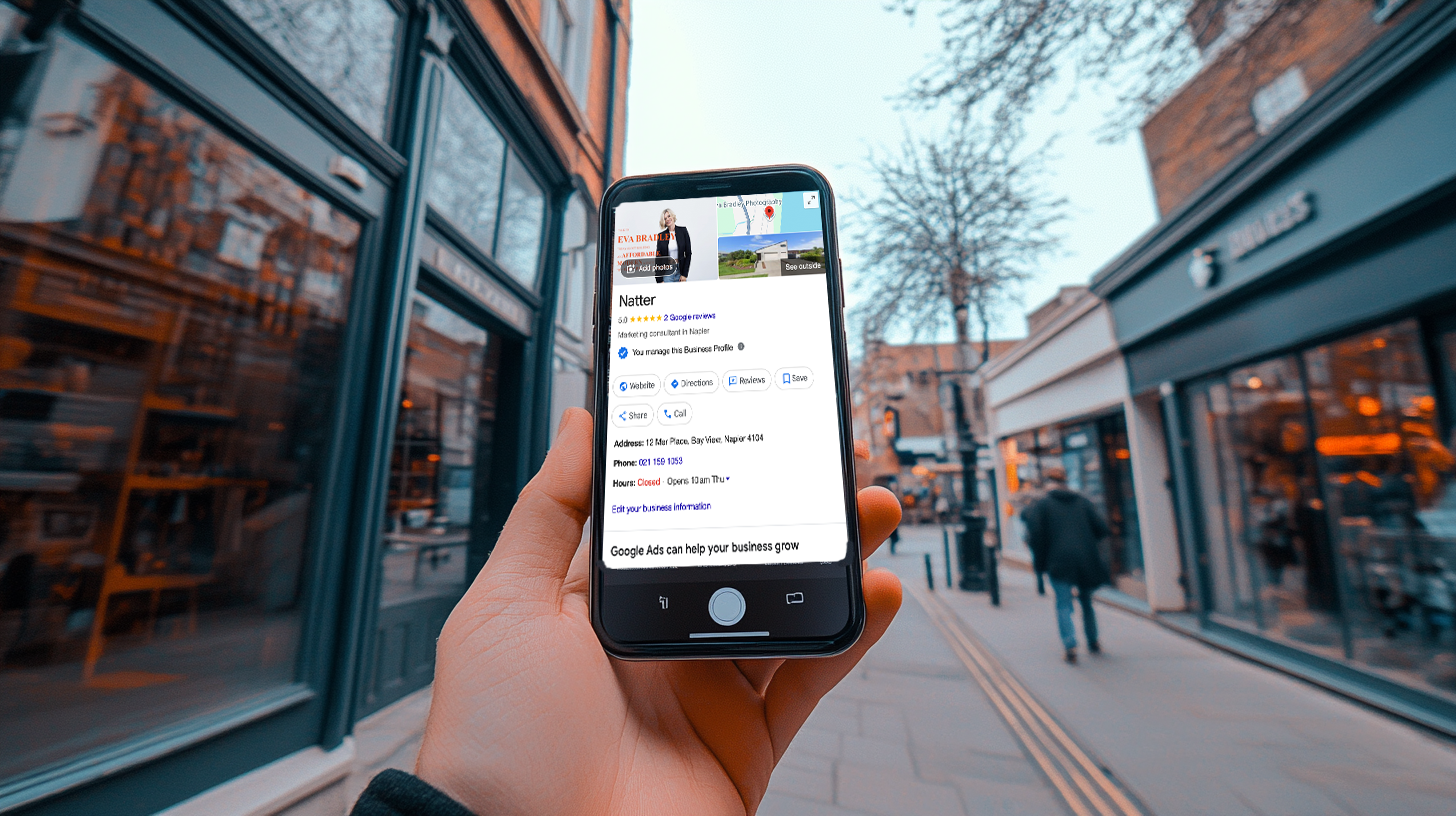
Getting found on Google requires deliberate work. The right keywords on the right pages. A properly optimised Google Business Profile. A growing review count that signals to Google that real customers are choosing you. Location-specific pages for the areas you serve. Internal links that help Google understand the structure of your site.
Problem 2: It Doesn't Tell Visitors What To Do Next
Imagine walking into a shop, looking around for two minutes, and nobody acknowledges you, nothing has a price on it, and there's no obvious way to buy anything. You'd leave. Immediately.
That's exactly what most local business websites do to their visitors. Someone lands on the page, reads a bit, has no idea what to do next, and leaves. Back to Google. Probably to a competitor.
Every page of your website needs a clear, prominent call to action. Not buried at the bottom in small grey text. Front and centre, above the fold, impossible to miss.
And it needs to be specific. "Contact us" is weak. "Book your free consultation" is stronger. "Call now for a same-day quote" is stronger still. The more specific the action and the clearer the benefit of taking it, the higher the conversion rate.
Problem 3: It Was Built For Desktop, Not Mobile
More than 60% of local searches happen on mobile devices. Someone on their lunch break searching for a nearby restaurant. Someone standing in a flooded kitchen searching for an emergency plumber. Someone in the waiting room of one dentist searching for a better one.
These people are on their phones. If your website doesn't load quickly, display correctly, and make it easy to call or enquire from a mobile screen, you're losing more than half your potential visitors before they've even seen what you offer.
Mobile optimisation isn't just about making the site look smaller on a phone screen. It's about load speed — mobile users abandon sites that take more than three seconds to load. It's about tap targets — buttons and links that are easy to press with a thumb. It's about a click-to-call button that lets someone ring you in one tap rather than copying and dialling a number manually.
A website that isn't genuinely mobile-first in 2026 is not a functional marketing asset. It's a liability.
Problem 4: It Doesn't Address The Visitor's Actual Concerns
Here's a common scenario. A potential customer lands on a local business website. They want to know roughly what something costs before they pick up the phone. The website has no pricing information whatsoever. Not even a range. Not even an explanation of how pricing works.
So they go back to Google and call a competitor whose website does have pricing information. Not because the competitor is cheaper — they might not be — but because they answered the question the customer had.
People arrive at your website with specific concerns and questions. How much does it cost? How long will it take? What areas do you cover? What happens if something goes wrong? Are you qualified? Have other people in my situation used you and been happy?
This is the StoryBrand principle applied to web design. Your customer is the hero of the story, not your business. They have a problem. They're looking for someone to help them solve it. Your website's job is to show them — quickly, clearly, and specifically — that you understand their problem and you can solve it.
Problem 5: There's No Social Proof
Trust is the primary barrier between a website visitor and an enquiry. The visitor doesn't know you. They can't shake your hand or look you in the eye. All they have is what's on the screen.
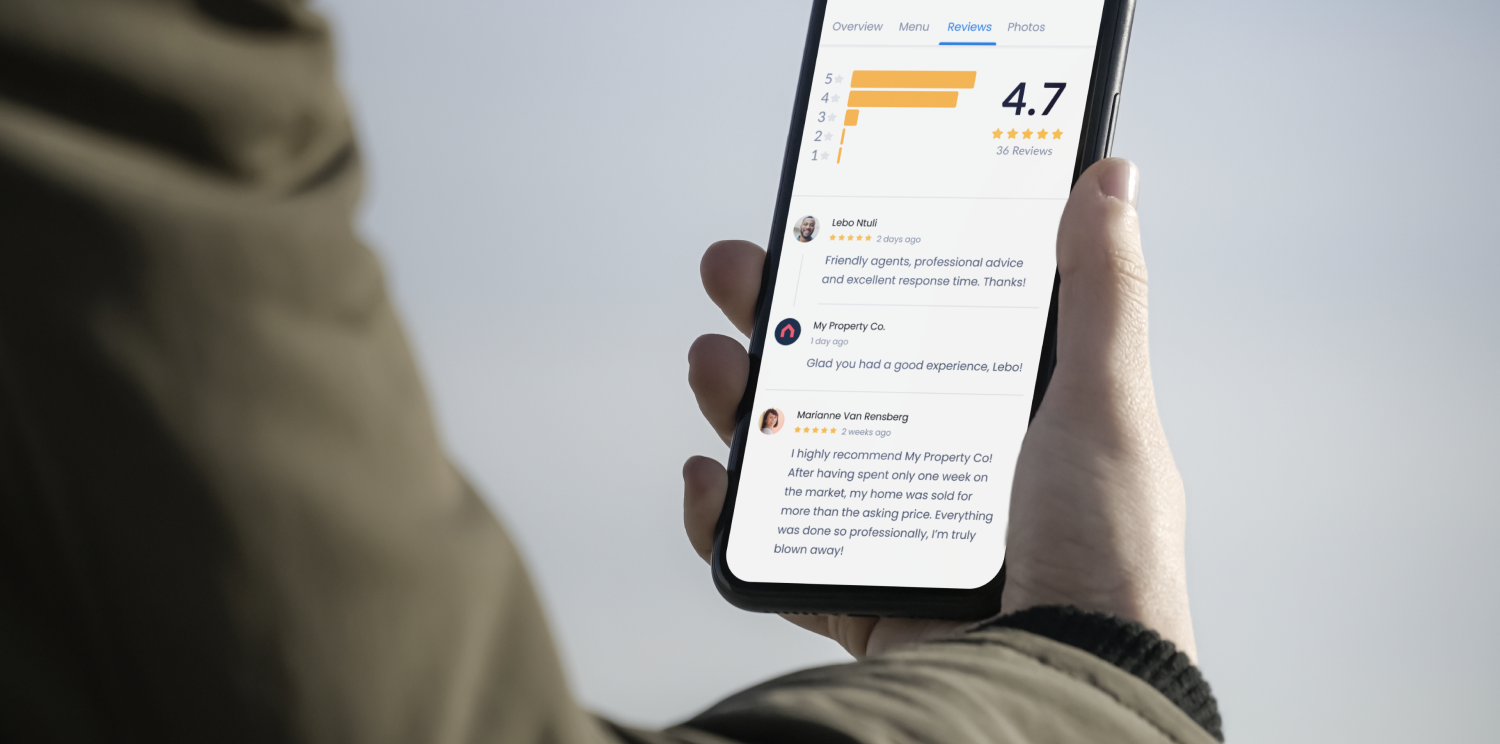
Reviews, testimonials, case studies, and accreditations are what bridge that trust gap. A website with 47 genuine five-star reviews displayed prominently converts at a dramatically higher rate than an identical website with no social proof.
And yet a significant proportion of local business websites have no reviews on them at all. They might have a generic "our customers love us" statement. They might have three testimonials carefully selected from a decade of trading, displayed in a static carousel that nobody reads.
What actually builds trust is volume and specificity. Not three testimonials — twenty. Not "great service, would recommend" — "came out within two hours on a Sunday evening and fixed the problem in 45 minutes, charged exactly what he quoted, couldn't recommend more highly."
A live Google review feed that pulls real reviews directly from your Google Business Profile is worth more than any designed testimonials section. It's real, it's current, and it's verified.
Problem 6: It's Disconnected From Everything Else
A website that exists in isolation — no Google Business Profile driving traffic to it, no review automation building the social proof on it, no AI employee capturing leads from it, no missed call text-back recovering the enquiries it generates — is operating at a fraction of its potential.
The businesses that get the most from their website treat it as one component of a connected system. Traffic comes from Google Maps and organic search. Visitors are converted by clear copy, strong social proof, and obvious calls to action. Enquiries that come in outside office hours are captured by an AI employee trained on the business's services and pricing. Calls that go unanswered are recovered by an automated text-back within 60 seconds.
What A Website That Works Actually Looks Like
To be concrete about this, here's what a properly built local business website does differently.
- •It ranks for the search terms customers actually use — built around keyword research, not guesswork.
- •It loads in under two seconds on mobile and looks excellent on every screen size.
- •It has a clear, specific call to action on every page — above the fold, impossible to miss.
- •It shows real pricing or at minimum a clear indication of how pricing works.
- •It displays a live feed of genuine Google reviews, updated automatically.
- •It has an AI employee that answers questions and captures leads around the clock.
- •It has location-specific pages for every area served.
- •It's connected to a missed call text-back system so no enquiry is ever lost.
That's not an aspirational list. That's the baseline for a website that actually generates business in 2026.
The Honest Assessment
If your current website doesn't tick most of those boxes, it's not working as hard as it should be. Not because it's ugly or broken — it probably isn't either of those things. But because the bar for what a functional local business website needs to do has moved significantly in the last few years and most sites built before 2024 haven't kept up.
The good news is that every single problem listed in this article is fixable. Some are quick wins — adding a clear CTA, displaying reviews, adding pricing information. Others require a more substantial rebuild. But the return on getting it right is not incremental. For most local businesses a properly built, properly connected website is the difference between a business that grows predictably and one that relies entirely on word of mouth and hope.
Start your free 14-day trial or book a free 20-minute call and we'll run through your specific situation.