The Call You Didn't Answer
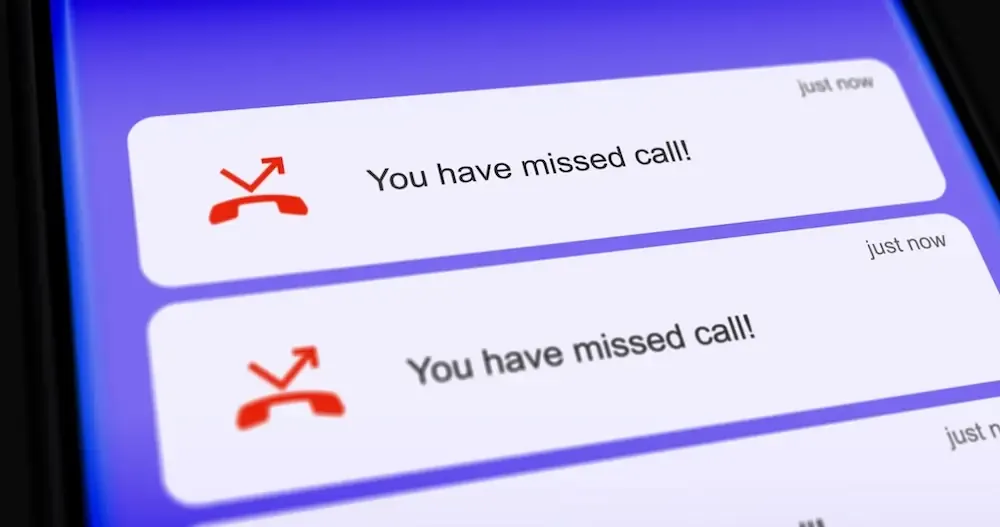
It's a Tuesday lunchtime. You're with a customer. Your phone rings, you can't get to it, and it goes to voicemail.
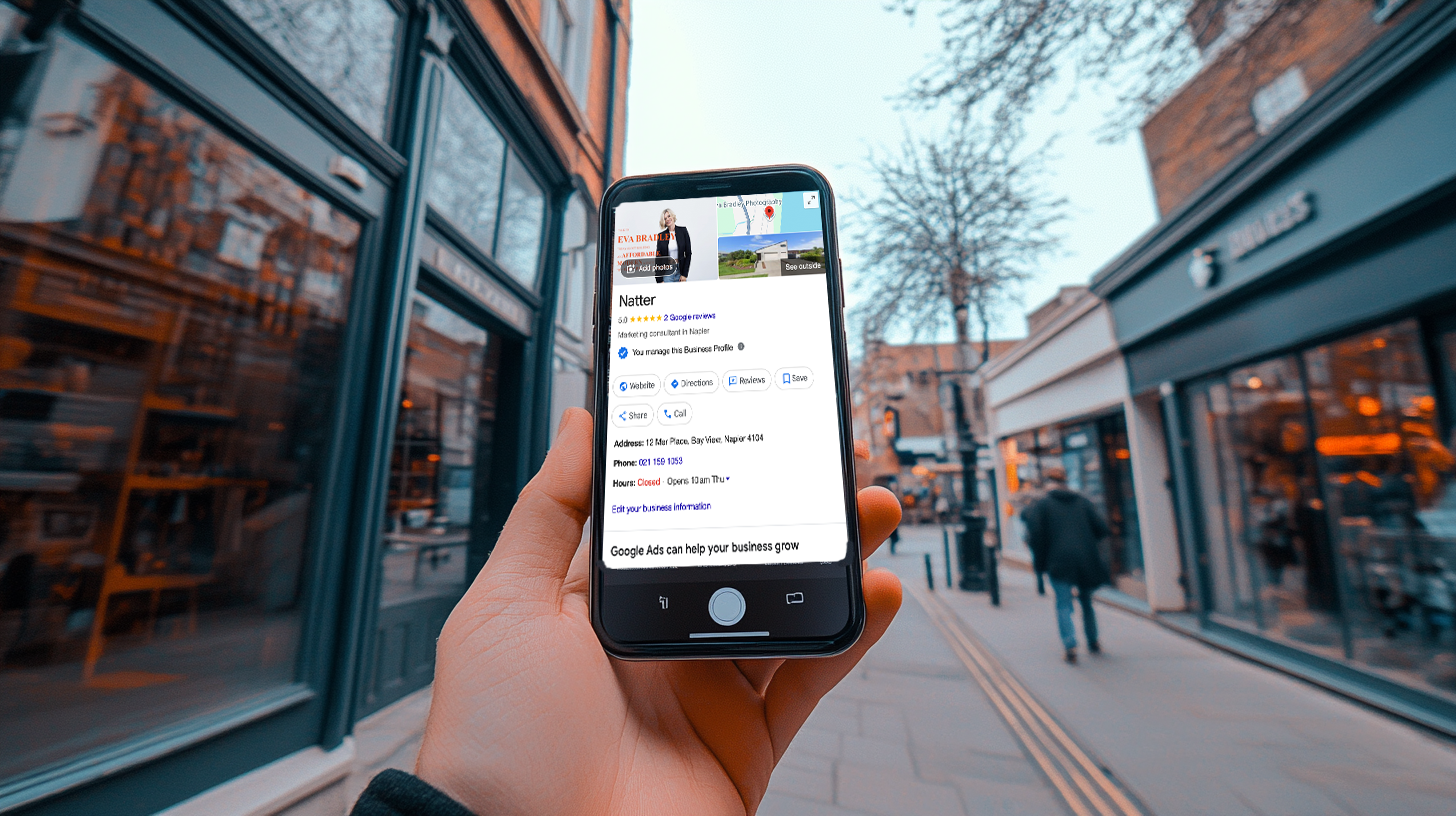
The caller doesn't leave a message. They never do. Instead they do what everyone does — they go back to Google, scroll down, and call the next business on the list.
You never knew they called. You never knew you lost them. And next month you wonder why enquiries feel a bit thin.
This is happening to your business right now. Probably multiple times a day.
The Numbers Behind a Missed Call
Most business owners think of a missed call as a minor inconvenience. A slight inefficiency. Not a big deal.
Here's a different way to look at it.
85% of people whose calls go unanswered will not call back. They move on. Immediately.
Now think about your average job or sale value. For a plumber, that might be £300. For a dentist, £500. For a kitchen fitter, £3,000. For an aesthetics clinic, £800.
If your phone rings 10 times a day and you miss 3 of those calls — a conservative estimate for any busy local business — that's 3 lost leads every single day.
Even if only one of those would have converted, at an average sale value of £400, that's £400 a day. £2,000 a week. £8,000 a month.
Why Voicemail Doesn't Solve It
The instinctive response to this is: I have voicemail. People can leave a message.
They won't.
Research consistently shows that fewer than 20% of callers leave a voicemail when a business doesn't answer. The rest hang up immediately. And among those who do leave a message, a significant proportion have already moved on by the time you call them back — especially if your callback takes more than a few minutes.
The problem isn't that you're not available. The problem is that by the time you become available, the moment has passed.
The person searching for a plumber at 11am on a Wednesday has a leaking pipe. They need someone now. If you don't answer, they don't wait for your voicemail. They find someone who does answer.
When Do Missed Calls Happen?
The obvious answer is: when you're busy. But it's worth being specific about when busy actually is, because the pattern is consistent across almost every local business we work with.
During service delivery.
You're with a customer. You can't answer. The phone rings, you ignore it, you carry on. This is the most common scenario and the hardest to solve manually.
At lunchtime.
Between 12 and 2pm, call volumes spike. Staff are on breaks. The people most likely to be searching and calling are also on their lunch break. The overlap creates a consistent dead zone.
After hours.
A surprising proportion of local search happens between 6pm and 9pm. People research and call from their sofa in the evening. Most local businesses have already closed.
On weekends.
Same pattern. The customer's free time doesn't align with your opening hours.
In each of these scenarios, the traditional solution is the same: hire more staff, extend your hours, or accept the loss. None of those are good options for a small local business.
The 60-Second Fix
There's a better solution. And it's been available for a while — most local businesses just haven't implemented it yet.
Missed call text-back.
When a call goes unanswered, the system automatically sends the caller a text message within 60 seconds. Something simple:
That's it. The caller gets an immediate response. They know you exist, you're real, and you're going to follow up. Instead of moving on to the next result on Google, they reply to the text and the conversation starts.
60–75% of missed call text-backs receive a reply. The lead you would have lost becomes a customer — automatically.
Why This Works So Well
The psychology is straightforward.
When someone calls a business and gets no answer, they feel dismissed. Not intentionally — you're obviously busy — but the emotional experience is one of being ignored. That feeling makes it easy to move on.
A text message within 60 seconds completely changes that dynamic. It says: we saw you called, we care, we're coming back to you. The caller goes from feeling ignored to feeling prioritised. That emotional shift is significant.
There's also a practical element. Texting is lower friction than a phone call for most people. A reply text takes five seconds. Getting back on the phone, waiting to be answered, explaining the situation again — that's effort. When you give someone an easy way to continue the conversation, they take it.
Real Numbers From Real Clients
One of our clients — a Cardiff-based hearing clinic — was missing an average of 7 calls per day before we implemented the system. Not because their team was negligent. Just because they were busy, running appointments back to back, and physically couldn't get to the phone every time it rang.
Within the first month of running the missed call text-back system, they recovered 43 leads they would otherwise have lost. Of those, 31 booked appointments. At an average value of £180 per first appointment, that's £5,580 in revenue that would have walked straight to a competitor.
£5,580 recovered in one month. The system runs automatically. Nobody has to do anything.
The Compounding Effect
Here's what makes this particularly valuable for local businesses competing on Google Maps.
Google factors engagement signals into local rankings. A business that consistently responds to enquiries quickly — including returning calls and texts promptly — signals to Google that it's active, responsive, and worth ranking.
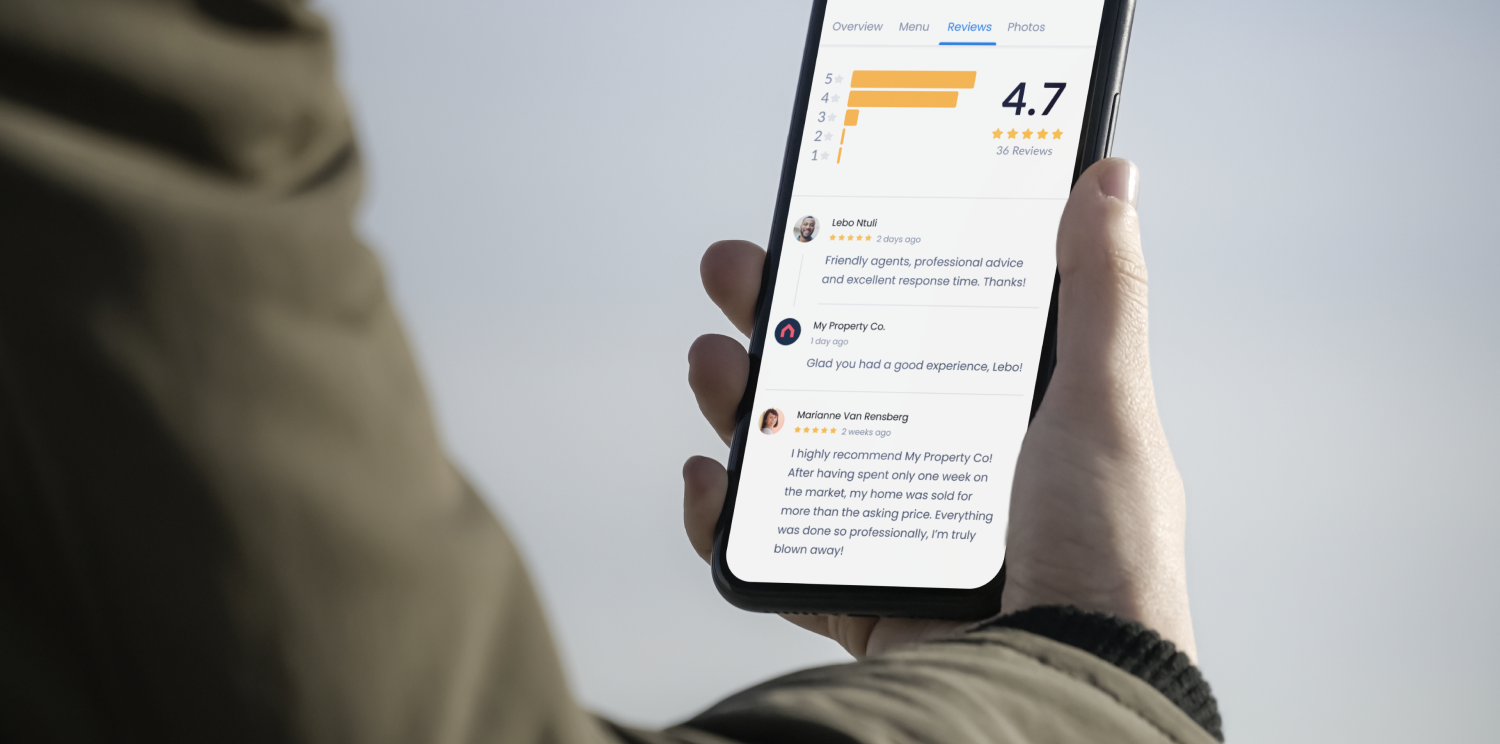
More importantly, the reviews it generates from those recovered leads further strengthen the ranking. A customer who almost didn't hear from you, then had a great experience because you followed up quickly, is highly likely to leave a positive review when asked.
What To Do Next
If you're a local business taking more than 10 calls a week, you are almost certainly missing some of them. And if you're missing them, you're losing revenue to competitors who happen to pick up.
The fix is not complicated. It doesn't require more staff. It doesn't require you to be available 24 hours a day. It requires a simple automation that sends a text message when you can't answer.
We install this as standard for every client as part of our growth system. It's live from day one and runs completely automatically.
Every missed call is a test of your follow-up system. Start your free trial and we'll show you what a proper one looks like.
Start your free 14-day trial or book a free 20-minute call to talk through what this could mean for your business.