Google Maps is now the most important ranking platform for local businesses. More people find services through Google Maps than any other channel. Yet most businesses have no idea how to rank there.
Here's the challenge: ranking on Google Maps isn't like traditional SEO. Different rules. Different factors. Different timeline.
In this guide, we share the exact 3-phase framework we use to get our clients ranking in positions #1-3 within 90 days. This isn't theory. This is what we implement every month for businesses across the UK.
87% of our clients achieve top 3 rankings within 90 days. Here's how.
Why Google Maps Matters More Than You Think
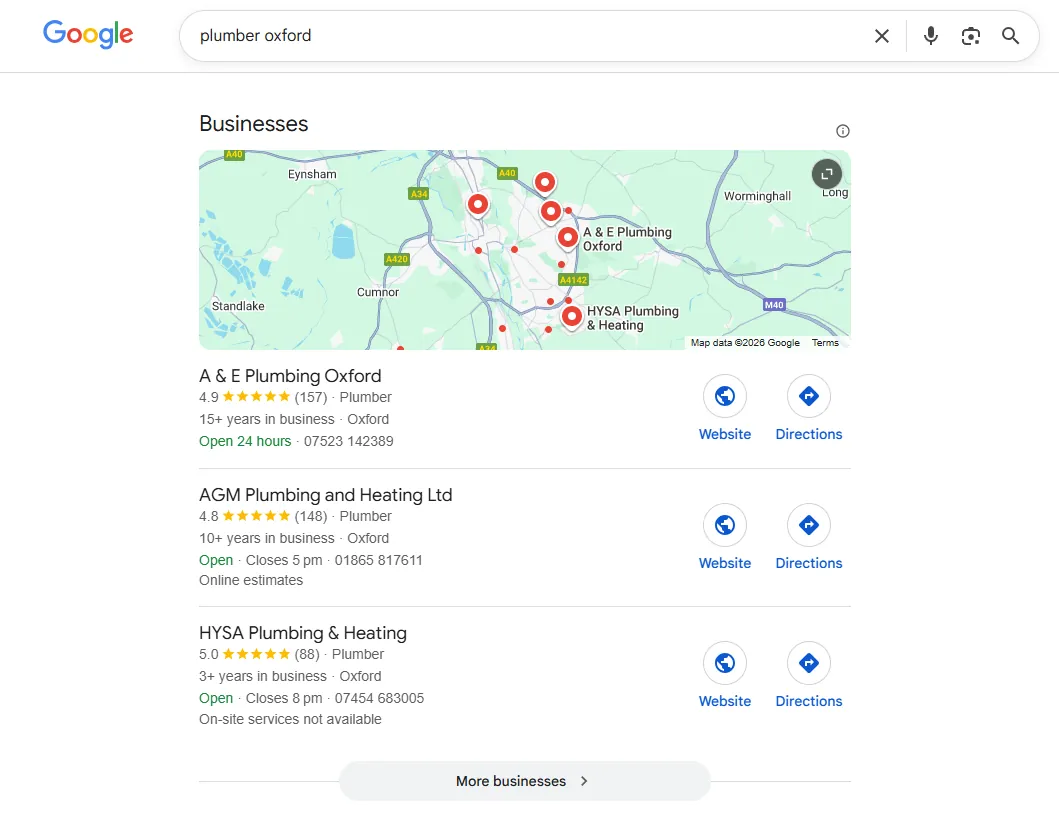
In 2025, Google Maps is where customers make decisions. When someone searches 'plumber near me' or 'dentist in Cardiff,' they're not looking at a website. They're looking at Google Maps.
- •76% of people who search for local services on their phone visit the business within 24 hours
- •Google Maps appears BEFORE organic search results
- •Map reviews influence 73% of purchase decisions
- •Businesses ranking #1-3 get 3x more enquiries than position 10+
The opportunity: If you rank #1 on Google Maps in your service area, you win the majority of local search traffic.
The 3-Phase Ranking Framework
Ranking on Google Maps doesn't happen by accident. It follows a predictable 3-phase progression.
Phase 1: Foundation (Weeks 1-2)
This is the technical setup phase. Google needs to understand what your business is, where it's located, and what services you offer.
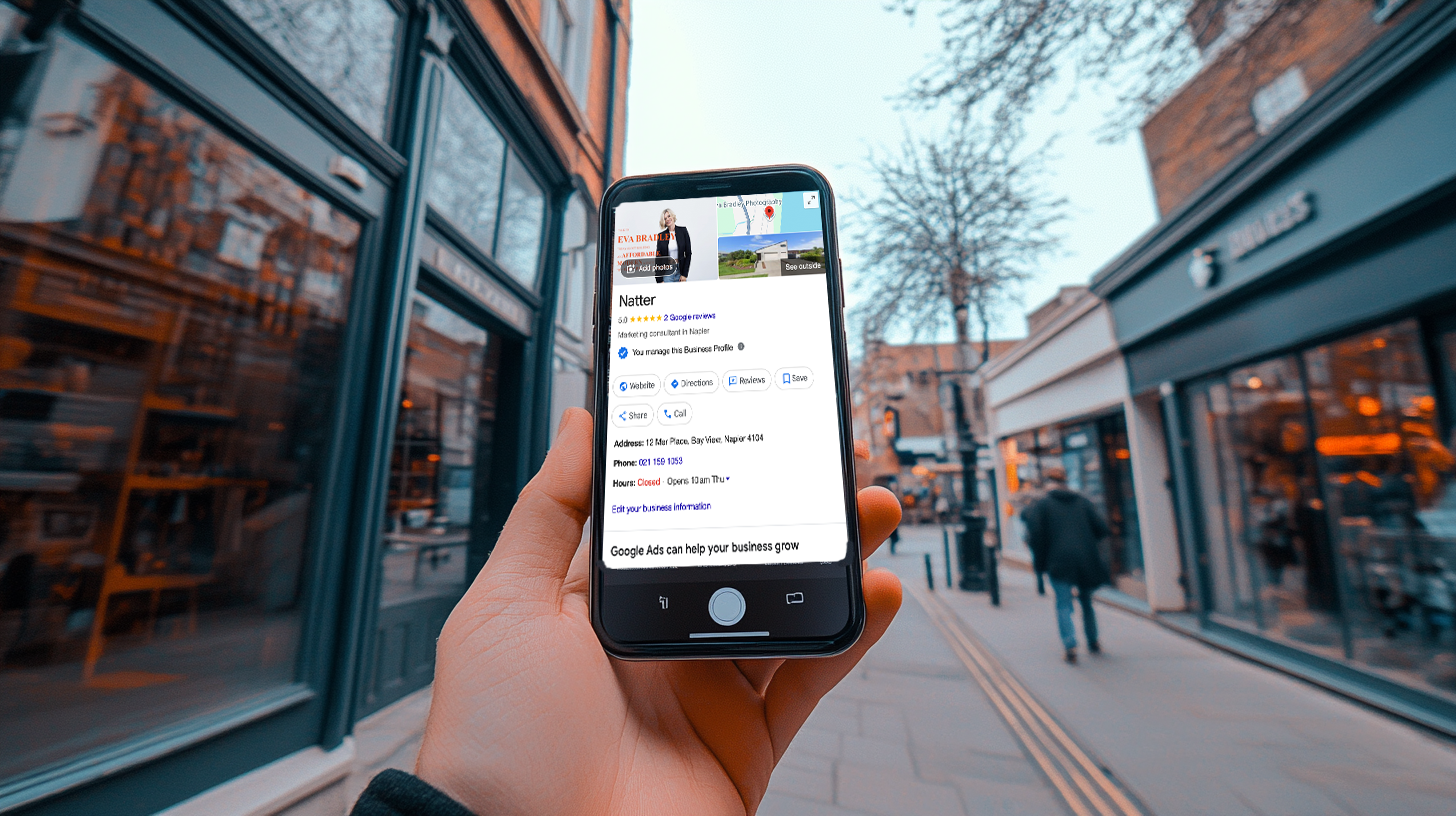
- •Google Business Profile optimisation
- •Business information accuracy
- •Category selection
- •Service areas defined
- •Initial photos uploaded
Phase 2: Optimisation (Weeks 3-8)
Now Google has your information. This phase is about proving relevance and authority.
- •Review generation system
- •Citation building
- •Content optimisation
- •Customer Q&A responses
- •Photo/video optimisation
Phase 3: Dominance (Weeks 9-12)
By week 9, you've proven relevance. This phase is about building dominance.
- •Ranking position optimisation
- •Competitive analysis response
- •Review velocity
- •Competitor tracking
- •Performance monitoring
What to expect: By week 12, you're in positions #1-3 for most target keywords. Consistent lead flow begins.
5 Common Mistakes That Slow Down Rankings
1. Incomplete or Inconsistent Business Information
Your business name, address, and phone number must be identical across all listings. Even slight variations confuse Google.
2. Ignoring Review Generation
Reviews are one of Google Maps' top ranking signals. If you're not actively generating reviews, you're losing to competitors who are.
3. Wrong Service Area Definition
Defining service areas too broadly or too narrowly confuses Google. Define exactly where you service.
4. Low-Quality Photos
Google Maps rankings consider photo quality and quantity. Blurry phone photos hurt your ranking. Professional photos help.
5. Set It and Forget It Mentality
Google Maps ranking isn't a one-time setup. It requires ongoing optimisation to maintain and improve positions.
Timeline Varies by Niche
| Niche | Competition | Timeline | Why |
|---|---|---|---|
| Rural trades | Low | 45-60 days | Less competition |
| Urban professional services | High | 75-90 days | More competition |
| Healthcare | Medium | 60-75 days | Specific ranking factors |
| Luxury services | Low-Medium | 60-75 days | Higher ranking standards |
| Central London | Very High | 90-120 days | Extreme competition |
Key insight: Less competitive niches rank faster, but all rank consistently with the right framework.
The One Thing Most Businesses Get Wrong
Every business wants immediate rankings. So they try shortcuts: fake reviews, location manipulation, or spammy directory submissions. Google catches this. And punishes it.
It takes 90 days because that's how long Google needs to verify you're legitimate, relevant, and trusted. No shortcuts. No hacks. Just strategy.
"We went from being invisible on Google Maps to ranking #1 in 16 weeks. The reason it worked: we did the work correctly instead of looking for shortcuts."
— Chris Jackson, Owner
Stone Worktop Fabricator
So What Now?
You understand the framework. You know the 3 phases. You know the mistakes to avoid. But knowing isn't doing. Implementing this framework properly requires expertise, systems, and constant attention.
This is why most businesses don't do this themselves. It's complex, time-consuming, and requires constant attention.
Ready to see it working for your business? Start your free 14-day trial.